

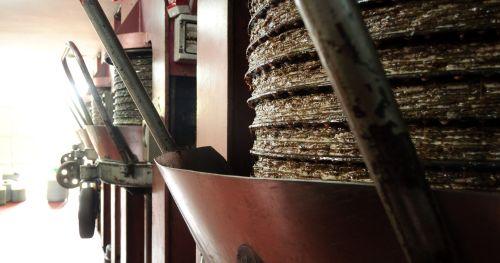
The management of vegetation water and wastewater from oil mills is an aspect of the
important in the Italian agricultural sector, regulated by specific regulations that
regulate their agronomic use.
Current legislation
The legislation that regulates the agronomic use of vegetation water and wastewater
of oil mills is mainly based on Legislative Decree 152/2006 and the
Law no. 574. These legislative acts set out the criteria and
technical standards for the use of this wastewater as fertilizers, known as
fertigation.
The Ministerial Decree of 6 July 2005 further specifies the technical requirements and the
methods of use, while the Decree of 8 May 2015 introduces a model
simplified for the request for a single environmental authorization (AUA).
Production of vegetation water in Italy
According to ISTAT data, in Italy there are about 1.141 million hectares planted with olive trees, with
an annual production of olives of about 3.79 million tons, generating among the
250 and 500 thousand tons of olive oil. Oil mills, which process about a third
of the olives harvested, produce about 3 million tons of oil wastewater every year.
Technological process
The production of vegetation water derives mainly from two types of oil mills:
three-phase and centrifugal ones. Three-phase crushers generate two
Main by-products: virgin pomace (solid residues) and vegetation water
(liquid residues). With the introduction of centrifugation systems, the characteristics of the
wastewater has changed, with an increase in the humidity of the pomace and a greater
dilution of solid components in vegetation water.
Characteristics of olive oil wastewater
Vegetation waters have a dark color and a characteristic odor, composed of
from a mixture of organic and mineral substances. They present a sub-
acidic to acidic with pH values between 4.5 and 5.9. They contain reducing sugars,
mainly glucose and fructose, and an average ash content ranging from
0.6% to 2%, depending on the extraction method used.
Agricultural use of olive oil wastewater
Although in the past they were considered among the most polluting wastewater, today the water of
vegetation are used as fertilizers due to their nutrient content
such as potassium and phosphorus. The use of this wastewater on agricultural land is
regulated by specific legislation to ensure safety and efficacy
Agronomic. Studies have shown that the controlled use of vegetation water
it can increase the humic fraction of the soil and enrich the soil with nutrients
without significant negative effects on productivity.
Regional regulations
Regional regulations supplement and specify national provisions. For example
the Veneto Region has implemented the general technical standards set by the Ministerial Decree of 6 July
2005, coordinating the regulation of the agronomic use of vegetation water
with regional rules for the use of livestock manure and certain waters
company waste. This includes the obligation to submit a communication
preventive to the Municipality for any agronomic spreading intervention.
Communication and storage methods
To proceed with the agronomic use, a communication is required
to the Mayor of the municipality concerned, accompanied by a report drawn up by
a qualified professional who describes the pedogeomorphological structure and the conditions
hydrological of the site. The storage of vegetation water must be carried out
in silos, tanks or tanks authorized and tested, with the test certification
submitted to the competent technical offices.
Penalties and controls
Anyone who violates the regulations relating to the spreading of vegetation water is
subject to administrative sanctions. Competent authorities may also require
prescriptions, temporarily suspend the activity or apply financial penalties.
Conclusion
The agronomic use of vegetation water and wastewater from oil mills
is a sustainable and regulated practice that contributes to improving the
quality of the soil and to reduce the environmental impact of wastewater. Compliance with
regulations and the adoption of good agronomic practices are essential for
ensure the safety and effectiveness of this practice.
Contact Eurocorporation to properly manage vegetation water and
oil waste. Ask us for information


