

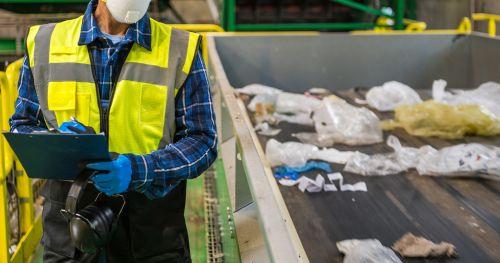
In the current environmental context, proper waste management has become of paramount importance. Among the different types of waste, special waste requires special attention due to its nature, its origin and the risks it may entail. In Italy, the distinction between municipal waste and special waste is clearly defined by legislation, but it is often a source of confusion. Let’s find out more about what special waste is and why it differs so much from urban waste.
Definition of special waste
Special waste is waste materials produced mainly by industrial, agricultural, artisanal, commercial and health activities. Unlike municipal waste, which comes from homes and households, special wastecomes from production processes and requires more complex management and disposal procedures. This waste, according to Italian legislation, must be treated by specialized companies, authorized to dispose of it safely and in compliance with environmental regulations.
Differences between special waste and municipal waste
The main difference between special waste and municipal waste lies in their origin and in the subjects responsible for their management. Municipal waste is produced by homes and is managed by the public administration through local services, such as separate collection. Special waste, on the other hand, derives from production activities and is managed by private companies that must comply with stricter regulations, especially if it is hazardous waste.

Classification of special waste
Special waste is mainly classified according to two criteria: origin and hazardousness. According to Article 184 of Legislative Decree 152/2006, this waste can be divided into:
- Waste from agricultural and agro-industrial activities.
- Waste from construction and demolition activities.
- Industrial and artisanal waste.
- Commercial and service waste.
- Medical waste.
- Waste from recovery and disposal activities.
This classification is essential to identify the right treatment and disposal of each type of waste.
Origin of special waste
Hazardous waste comes from a variety of economic sectors. Among the most relevant are:
- Manufacturing industry, which generates processing waste.
- Construction sector, responsible for large amounts of waste from construction and demolition.
- Healthcare sector, which produces potentially infectious waste.
- Commercial activities, which generate waste such as packaging or discarded materials.
Each sector requires a specific approach to waste management, to ensure environmental safety and public health.
Hazardous and non-hazardous special waste
Special waste is further divided into hazardous and non-hazardous. Hazardous waste contains toxic chemicals or materials that pose a threat to human health and the environment. These include chemical waste, used oils, solvents, and medical waste. Non-hazardous waste, while not containing toxic materials, still requires proper management to avoid negative impacts on the environment.
The role of Italian legislation
In Italy, the management of special waste is mainly regulated by the Legislative Decree no. 116/2020, which introduced significant changes to the classification of waste. This decree updated environmental legislation, transposing the European directives on the circular economy, and redefined the categories of special waste, offering more details on its classification and management.
The European Waste Catalogue (EWC)
A fundamental element in the management of special waste is the European Waste Catalogue (EWC), a list of codes that identifies the different types of waste. Each special waste is associated with a EWC code that describes its origin and composition. This system allows you to track waste and ensure that it is treated correctly, especially if it is hazardous materials.

The management of special waste in Italy
The management of special waste in Italy is entrusted to a network of authorized private companies. These companies deal with the treatment, transport and disposal of waste from industries and commercial activities. The obligation to follow strict management procedures requires companies to fill in documents such as the Waste Identification Form (FIR), which is necessary for the transport and traceability of waste.
The transport of special waste
The transport of special waste must comply with very strict regulations. Documentation, such as the FIR, ensures that waste is transported safely to disposal or recovery facilities. In addition, for hazardous waste, additional permits are required, such as ADR, an international agreement for the safe transport of hazardous materials by road.
Treatment and disposal of special waste
Special waste can be disposed of in various ways, depending on its nature. The main ways of disposal include:
- Recovery of materials: for example, the recycling of materials such as metal or plastic.
- Incineration: Burning waste to reduce its volume and, in some cases, generate energy.
- Landfill storage: for waste that cannot be safely recycled or incinerated.
Municipal waste management vs special waste
Municipal waste is mainly managed by the public administration and is part of a regular and systematic collection system. On the contrary, the management of special waste requires the participation of specialized private companies, which take care of every phase, from transport to disposal. This distinction is crucial to ensure the safe treatment of the most complex waste.
Environmental impact of special waste
Special waste, especially hazardous waste, can have a significant impact on the environment if it is not managed properly. Soil and water contamination, as well as the dispersion of toxic substances into the air, are just some of the negative effects associated with poor management of special waste.
Importance of Industrial Symbiosis in the management of special waste
Industrial Symbiosis is a concept that promotes collaboration between companies to optimize waste management. Through this approach, waste from one company can become resources for another, thus reducing the amount of waste to be disposed of and improving overall sustainability.
FAQ
What are the main sectors that produce special waste?
The main sectors include manufacturing, construction, healthcare, and agricultural activities.
What are EWC codes and why are they important?
EWC codes are identifiers that classify waste by type and origin, which are essential for traceability and proper management.
What is the difference between hazardous and non-hazardous special waste?
Hazardous waste contains toxic or chemical substances that require special treatment, while non-hazardous waste does not present such risks.
Who is responsible for the management of special waste?
Authorized private companies manage special waste, unlike municipal waste managed by the public administration.
How is special waste disposed of?
Special waste can be disposed of by material recovery, incineration or storage in specialised landfills.


