


The issue of waste management has become fundamental in an era in which attention to the environment and sustainability is constantly growing. Often, the question arises as to which is the best solution between waste disposal and recovery. Both processes have different purposes, but their correct application can make a difference in terms of environmental protection and responsible management of resources. In this article, we will analyze in detail the differences between waste disposal and recovery, helping you understand which path to choose for optimal management.
Definition of waste
Before exploring how to dispose of it and recover, it is essential to clarify what is meant by “waste”. Waste is discarded materials that no longer have any use to the owner and must be disposed of or treated safely. They can be classified into municipal waste (produced by domestic activities) and special waste (produced by industries or commercial activities), which in turn are divided into hazardous and non-hazardous.
What is waste disposal?
Waste disposal is the final stage of waste management, when it is no longer possible to recover or recycle it. This process aims to eliminate waste permanently, ensuring environmental safety. There are several disposal methods, including:
- Landfill: the deposit of waste on the ground or in the soil.
- Incineration: the combustion of waste in specialized plants.
- Chemical and biological treatments: processes that reduce the environmental impact of waste.
How does the disposal process work?
The disposal process varies depending on the type of waste and its physical and chemical characteristics. For example, hazardous waste must be disposed of in specialised facilities, which ensure that it is neutralised or safely confined. Let’s see the main disposal methods:
Dump
Landfills are areas where waste is deposited and confined in a way that minimizes the impact on the environment. However, not all waste can be sent to landfills; hazardous ones require specific systems.
Incineration
Incineration is an effective method of reducing the volume of waste, especially that which cannot be recycled. This process takes place in special plants where waste is burned at high temperatures, producing heat that can be recovered to generate energy.
Chemical and biological treatments
These treatments are used for liquid or sludge waste, through biodegradation or chemical neutralization processes.
When to choose disposal?
The choice of disposal is usually made for those wastes that cannot be recovered or recycled. In particular, it is indicated for hazardous waste, such as toxic chemicals or infectious materials, which pose a risk to human health and the environment. In addition, disposal is a no-brainer when there are no more sustainable alternatives.
What is waste recovery?
Waste recovery is the set of operations aimed at transforming waste into new resources. This process is the basis of the circular economy, a sustainable model in which waste materials are reused, reducing the need for virgin raw materials. Recovery can take place in different ways, such as recycling and composting.
How does recovery work?
Waste recovery involves the transformation of discarded materials into new raw materials or products. Let’s look at some examples:
Recycling
Recycling allows materials such as metals, plastics, glass and paper to be reused, transforming them into new products. This process is essential to reduce the use of natural resources and decrease the environmental impact.
Composting
Composting is another form of recovery, mainly used for organic waste. Through a natural process of decomposition, organic waste is transformed into compost, a natural fertilizer useful for agriculture.
Material regeneration
Some materials, such as waste oils or batteries, can be remanufactured to be reused. This process makes it possible to reduce the extraction of new resources and limit pollution.
Types of recovery
Waste recovery can take place in different forms, depending on the type of material. Here are the main categories:
Recovery of materials
- Metals: Metal recovery allows valuable materials such as iron, aluminum, and copper to be reused, reducing the need for mining.
- Plastic: Plastic can be melted down and molded into new products, reducing plastic pollution.
- Paper: Recycled paper can be used to produce new sheets, reducing logging.
Energy recovery
Waste that cannot be recycled can be used for energy production. In waste-to-energy plants, waste is burned to generate heat, steam or electricity.
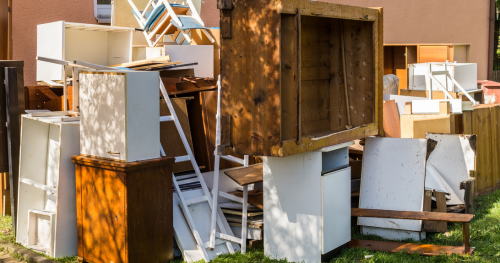
Benefits of Waste Recovery
Waste recovery offers numerous benefits, including:
- Reduced environmental impact: Recovery reduces the amount of waste going to landfills and decreases pollution.
- Saving natural resources: Reusing discarded materials reduces the need to extract new raw materials.
- Support for the circular economy: Recovery promotes a more sustainable and low-impact economic model.
Disposal and recovery: legislation in Italy
In Italy, waste management is regulated by Legislative Decree 152/2006, which establishes the methods of disposal and recovery. According to the legislation, it is always preferable to opt for waste recovery, where possible, before resorting to disposal.
Administrative obligations in waste management
Companies that manage waste must comply with a number of administrative obligations, including:
- Waste identification form (FIR).
- Loading and unloading register.
- Single Environmental Declaration Model (MUD).
These tools ensure traceability and proper waste management.
FAQ
What is the ERC and how is it used?
The EWC (European Waste Code) is a waste classification system that establishes whether a waste is hazardous or non-hazardous and determines its correct management.
What waste can be recovered?
Materials such as metals, plastics, paper and organic waste can be recovered.
What is the safest process for hazardous waste?
The safest process for hazardous waste is its disposal in authorized plants, through incineration or chemical treatment.
How to find an authorized plant?
It is possible to find an authorized plant by consulting the list of the National Register of Environmental Managers or by relying on companies such as Eurocorporation.
What is the role of Eurocorporation in waste management?
Eurocorporation deals with the management and disposal of special waste, ensuring compliance with regulations and environmental sustainability.


