

Refrigerant gases, if released into the atmosphere, can cause significant damage to our ecosystem and contribute to climate change. But what exactly are refrigerant gases and why is it so important to manage them correctly?
What are refrigerant gases?
Refrigerant gases are substances used in refrigeration and air conditioning systems to transfer heat. The main types include CFCs (chlorofluorocarbons), HCFCs (hydrochlorofluorocarbons) and HFCs (hydrofluorocarbons). These gases are used in a wide range of applications, from domestic refrigerators to industrial air conditioning systems.
Recovery of refrigerant gases
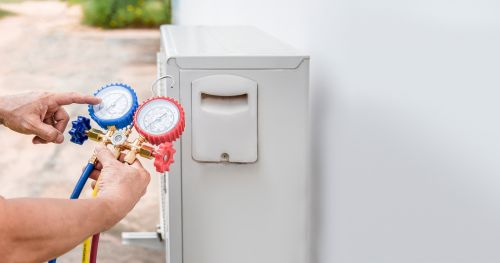
Recovery consists of collecting exhaust gases from equipment that is out of use or undergoing maintenance, and then sending them for disposal or regeneration in authorized plants. This process requires specific skills and appropriate equipment to ensure maximum safety.
Refrigerant Gas Disposal
The disposal of refrigerant gases, such as R22 gas, is regulated by stringent regulations due to their environmental impact. R22 gas, in particular, has been phased out due to its ozone-depleting potential. F-gases, known as F-gases, must also be disposed of carefully to avoid environmental damage.
Laws and regulations
In Europe and Italy, there are specific regulations governing the recovery and disposal of refrigerant gases. Operators must be registered in the F-GAS register on the ISPRA platform, where they must communicate the quantities of gas used and disposed of. This log ensures accurate and transparent monitoring of gas management operations.
Disposal costs
The cost of disposing of refrigerant gases can vary depending on several factors, including the type of gas and the amount to be disposed of. For example, the cost of disposing of R22 gas is often higher than other gases due to its properties and the need for specific treatments. It is important to get detailed quotes to understand the actual costs.
Cylinder disposal service
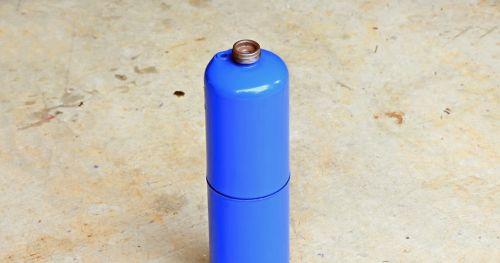
Cylinders containing exhaust refrigerant gases, such as R22, R32, R410a, R134a, and R600a, pose a significant risk if not handled properly. Eurocorporation offers a specialized cylinder disposal service, ensuring the safe collection and correct treatment of the gas. This service also includes the reclamation of cylinders for reuse or final disposal.
Common refrigerant gases
Among the most common refrigerant gases, we find:
- R22 gas: now in the process of being eliminated, it requires special disposal.
- R32 gas: more efficient and with less environmental impact than R22.
- R410a gas: widely used in modern air conditioning systems.
- R134a gas: common in refrigerators and cars.
- R600a gas: mainly used in small household appliances.
Services offered by Eurocorporation
Eurocorporation deals with the safe collection and disposal of refrigerant gases, operating in full compliance with current regulations. Services include:
- Safe collection of waste at the location indicated by the customer.
- Correct disposal of gas through authorized systems.
- Recovery and reclamation of cylinders, where possible.
Obligations of operators and maintenance companies
Operators of air conditioning and refrigeration systems must be registered in the F-GAS register and report annually the quantities of gas used and disposed of. Maintenance companies must do the same, making sure they comply with all environmental and safety regulations.
EER codes for refrigerant gas cylinders
Refrigerant gas cylinders are classified with specific EER codes, such as code 14 06 01* for HCFC-HFC-CFC gas cylinders. These codes facilitate the management and monitoring of hazardous special waste.
Operational characteristics of the disposal service
The gas cylinder disposal service offered by Eurocorporation can be provided as follows:
- Collection of full cylinders owned by the customer, analysis of impurities, recovery and disposal of gas, reclamation and return of cylinders.
Gas Impurity Analysis
Analyzing impurities in refrigerant gases is critical to determining the presence of oil, moisture, and other substances that can affect the recovery and disposal process. This step ensures that the gas is treated correctly, minimizing environmental risks.
Safety when handling gas cylinders
Handling refrigerant gas cylinders requires specific precautions to avoid accidents and contamination. It is essential to follow safety guidelines, use appropriate equipment, and rely on qualified professionals for recovery and disposal.
Conclusion
The recovery and disposal of refrigerant gases are critical processes for environmental protection and human safety. Complying with current regulations and using specialized services such as those offered by Eurocorporation can make all the difference. Making sure that refrigerant gases are properly managed is a responsibility that cannot be overlooked.
FAQs
- Why is it important to recover refrigerant gases? Recovering refrigerant gases prevents them from being dispersed into the environment, thus protecting the ozone layer and reducing climate change.
- What are the risks associated with improper handling of gas cylinders? Improper handling can cause explosions, harmful gas leaks, and environmental contamination.
- How do I dispose of a cylinder of used refrigerant gas? You can contact specialized services such as Eurocorporation that take care of the collection, disposal and reclamation of cylinders.
- Which refrigerant gases need to be disposed of more carefully? Gases such as R22 and other fluorinated gases require special disposal due to their environmental impact.
- How much does it cost to dispose of R22 refrigerant gas? Costs vary according to the quantity and treatment required. It is advisable to request a specific quote for an accurate estimate.


