


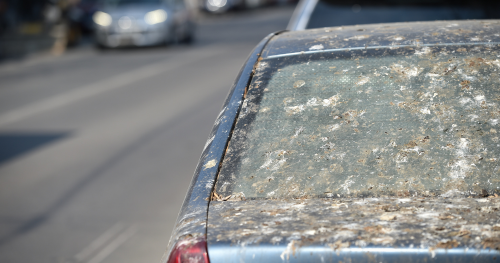
What is guano? Guano is an accumulation of droppings from pigeons, seabirds, bats, and other animals, rich in nutrients such as phosphorus and nitrogen. Although historically used as a natural fertilizer, its presence can cause serious problems. Therefore, proper guano disposal is important to protect human health and the environment.
Eurocorporation has been involved in the management and disposal of waste for more than 20 years, including hazardous waste such as guano.
Guano disposal regulations
General overview of European regulations
The European Union has established strict regulations for waste management, including biological waste such as guano. These regulations aim to ensure that guano is collected, treated, and disposed of safely, avoiding contamination and public health risks.
Specific Italian regulations
In Italy, Legislative Decree No. 152/2006 regulates waste management, including biological waste such as guano. This decree establishes procedures for the collection, transport, treatment and safe disposal of guano, ensuring compliance with environmental and health regulations.
Hazards associated with guano
Risks to human health
Guano can contain pathogenic bacteria, viruses and fungi that pose serious risks to human health. Inhalation of guano powders can cause respiratory diseases such as histoplasmosis, while direct contact can lead to skin infections.
Environmental impacts
The accumulation of guano can contaminate soil and water resources, damaging local ecosystems. The high levels of nutrients in guano can cause eutrophication of waters, leading to the proliferation of harmful algae and the death of aquatic species.
Methods of disposal of guano
Manual harvesting
Manual harvesting of guano is a common practice, especially in areas that are difficult to reach with heavy equipment. However, it does require the use of personal protective equipment (PPE) to ensure the safety of operators.
Use of specialized equipment
There is specialized equipment for the collection and disposal of guano, such as industrial vacuum cleaners and pressure cleaning machines. These tools allow for more efficient and safer guano removal, reducing the risk of exposure to operators.
Standard Operating Procedures (SOPs)
Security Precautions
SOPs for guano disposal include the use of PPE, decontamination of equipment and work areas, and training of personnel on safe guano management. These measures are essential to prevent accidents and hazardous exposures.
Steps for collection and disposal
Standard steps for guano collection and disposal include identifying contaminated areas, preparing the necessary equipment, removing guano, treating the collected waste, and final cleaning of the affected areas.
Role of specialist companies
Benefits of hiring professionals
Companies that specialize in guano disposal offer numerous benefits, including expertise in safe waste management, the use of advanced equipment, and compliance with current regulations. This ensures effective and safe removal of guano.
We can support cleaning and pest control companies to complete the disposal of guano. Contact us for a quote.
How to dispose of guano
1. Site Assessment
Before starting the disposal process, it is crucial to assess the area affected by guano accumulation. This includes identifying the amount of guano present, the animal species responsible, and potential health and environmental risks.
2. Equipment Preparation
Preparing your equipment is an essential step. Make sure you have all necessary personal protective equipment (PPE) available, such as gloves, masks, goggles, and coveralls. In addition, specialized equipment such as industrial vacuum cleaners and pressure cleaning machines can make the process more efficient and safer.
3. Security measures
Before beginning guano removal, it is essential to take safety measures to protect the health of the operators. This includes wearing PPE, avoiding direct contact with guano, and working in well-ventilated areas to reduce the inhalation of hazardous dusts.
4. Removing guano
There are several methods for removing guano, depending on the amount and accessibility of the area:
- Manual harvesting: Suitable for small quantities or hard-to-reach areas. Use shovels and brushes to collect guano in sealed bags.
- Industrial vacuum cleaners: Ideal for large quantities of guano. These devices suck guano directly into sealed containers, reducing direct contact.
- Pressure Cleaning Machines: Used to clean contaminated surfaces, removing guano residue and sanitizing the area.
5. Treatment of collected guano
The collected guano must be treated to reduce biological hazards. Our common treatment method involves incineration. The guano is burned, completely eliminating pathogens.
6. Final disposal
Treated guano must be disposed of in accordance with current regulations.
7. Cleaning and sanitizing
After the guano has been removed, it is important to clean and sanitize the affected area. Use effective disinfectants to eliminate any pathogenic residues and prevent future infestations.
Legal Responsibilities
Obligations of property owners
Property owners have a legal obligation to ensure that guano is disposed of properly. This includes preventing buildup, safe removal, and compliance with applicable regulations. Failure to comply may result in legal penalties.
Legal consequences in the event of non-compliance
Non-compliance with guano disposal regulations can result in hefty fines, lawsuits, and reputational damage. In addition, health and environmental risks can lead to civil and criminal liability for property owners and managers.
Conclusion
In summary, guano disposal is a complex but essential process for protecting public health and the environment. Current regulations provide clear guidance for the safe management of this waste, and the adoption of advanced technologies and preventive measures can improve the effectiveness of the process.
Contacting specialized companies such as Eurocorporation and maintaining regulatory compliance is crucial to avoid legal risks and ensure a clean and safe environment.
FAQs
What is guano and why do you need to dispose of it properly?
Guano is an accumulation of seabird and bat droppings, rich in nutrients but potentially dangerous to human health and the environment. Proper disposal avoids contamination and health risks.
What are the risks associated with guano?
Guano can contain pathogens that are dangerous to human health and cause respiratory diseases. It can also contaminate soil and water, damaging local ecosystems.
How can I dispose of guano safely?
You can dispose of guano safely by following current regulations, using PPE and specialized equipment, and collaborating with companies specialized in the sector.
Are there incentives for the correct disposal of guano?
In some regions, there may be incentives for the proper disposal of guano, especially if environmentally friendly and sustainable methods are used. It is advisable to consult your local authorities for more information.
What are the penalties for non-compliance with guano disposal regulations?
Failure to comply can result in fines, lawsuits, and reputational damage. It is essential to comply with regulations to avoid legal consequences and ensure environmental safety.


